
What is executive dysfunction?
It’s not willpower. It’s executive dysfunction.
Executive dysfunction is a difficulty with the brain’s self-management system, impacting skills like planning, organizing, starting tasks (initiation), focusing, managing time, and regulating emotions, making daily activities feel overwhelming despite awareness of what needs to be done.
It’s not a lack of willpower but a neurological challenge, often seen in ADHD, autism, or depression, where individuals struggle to translate intentions into actions, leading to procrastination, disorganization, and poor follow-through.
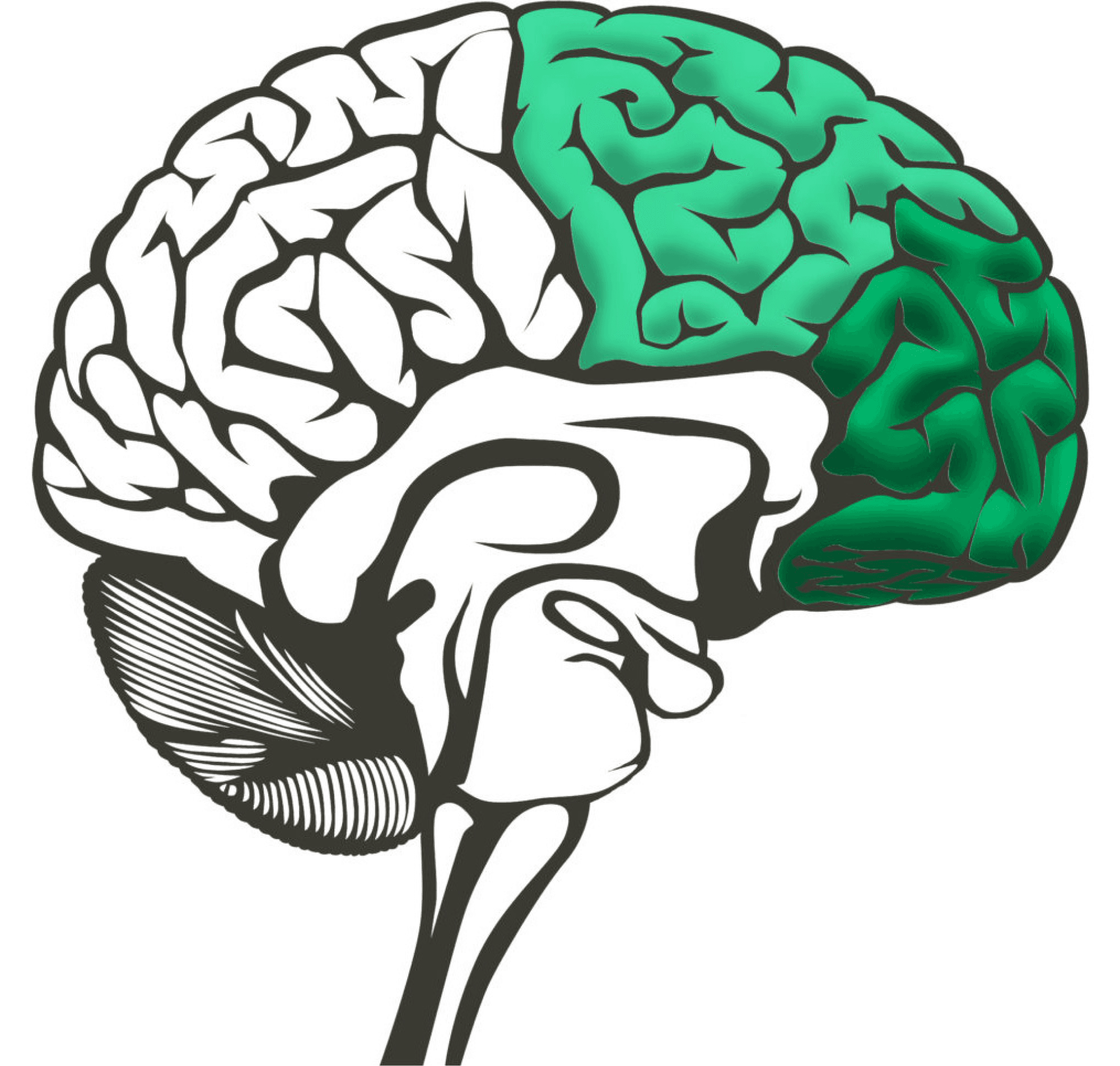
Thinking/planning
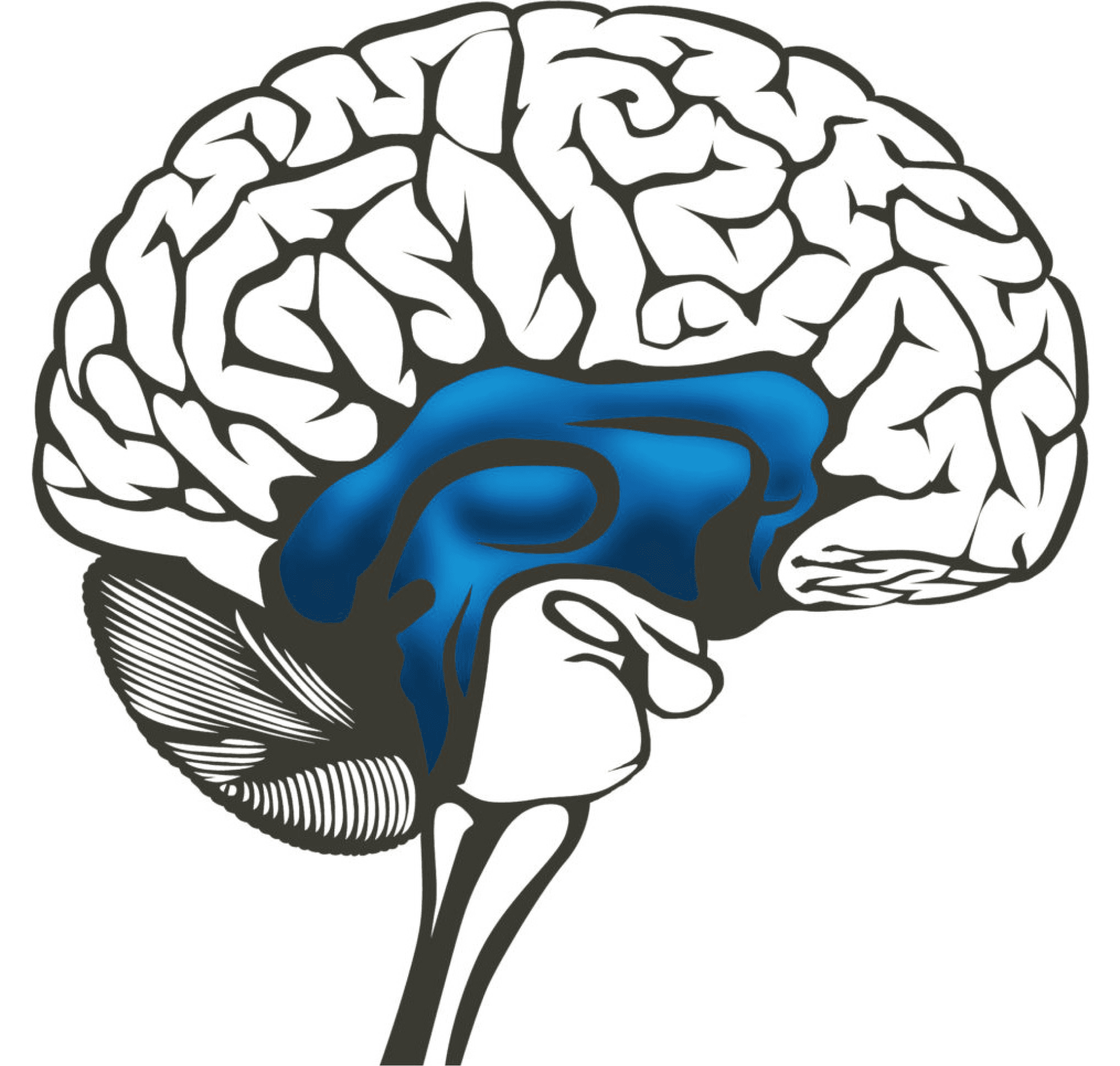
Limbic system
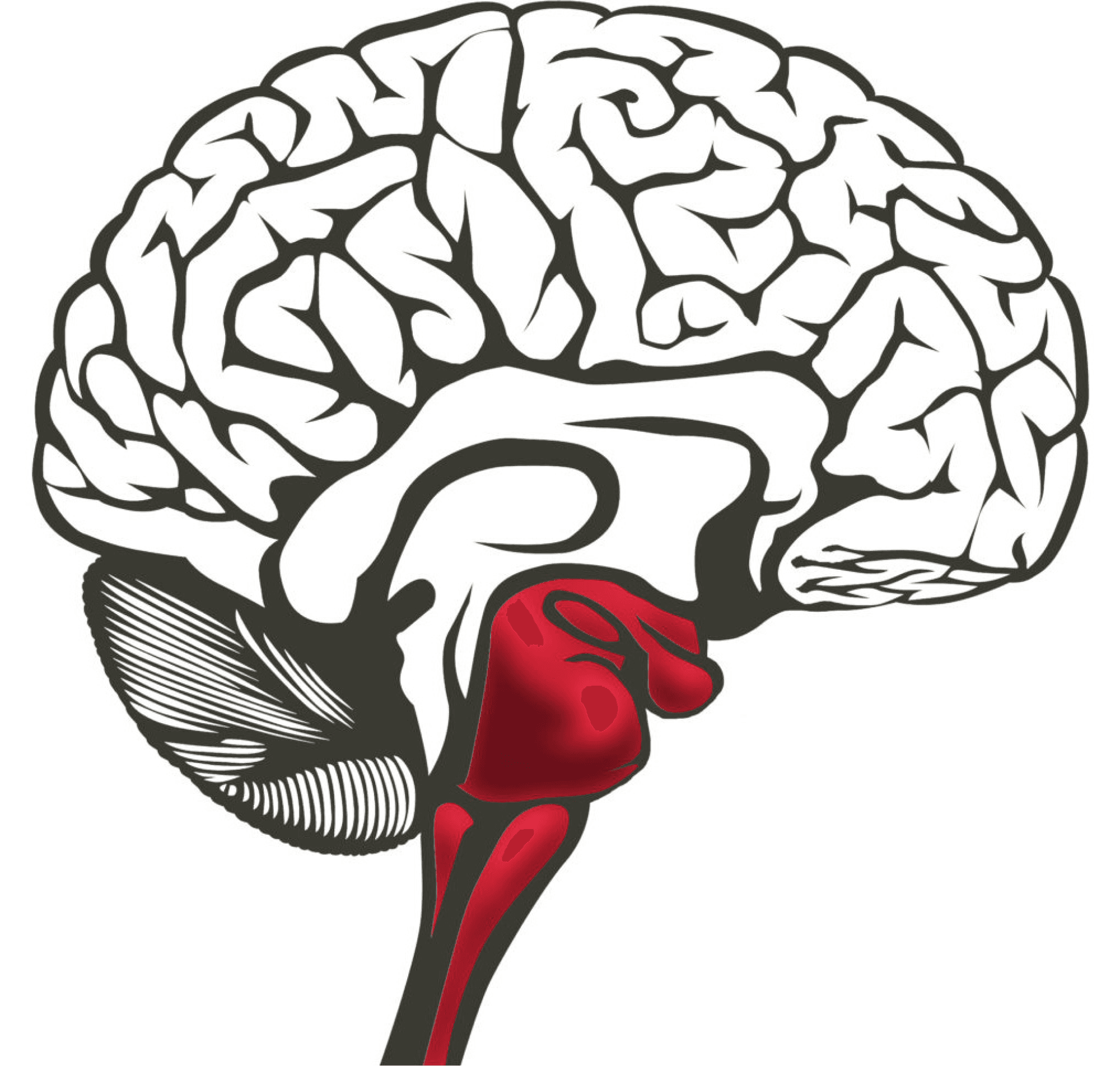
Arousal/survival
Any amount of stress can hijack us out of Executive Functioning
People often describe executive dysfunction as wanting to do something, and still feeling stuck.
- Task initiation: Starting tasks feels disproportionately hard.
- Task continuation: Maintaining momentum and staying with a task feels harder than it “should.”
- Task switching: Switching tasks feels jarring (and you lose momentum).
- Task disengagement: Pausing, stopping, or stepping away can feel surprisingly difficult (especially with hyperfocus).
Executive functioning includes:
- Self-awareness
- Inhibition / self-restraint
- Non-verbal working memory
- Verbal working memory
- Emotional self-regulation
- Self-motivation
- Planning and problem solving
- Task initiation
- Time management
- Prioritization
- Perseverance
- Creativity
- Perspective-taking
- How to ask for help
- How to self-advocate
- How to stand up for ourselves
- How to enter into play
- Self-analysis
Why emotion skills often change everything
Under stress, emotions become information and energy, but only if you can notice them, name them, and work with them. When feelings are blurry or overwhelming, planning systems can stall.
Emotional awareness
If you can name the feeling, you can choose a fitting response (instead of fighting a vague internal storm).
Regulation scaffolds
A calmer nervous system makes starting and switching tasks more possible, especially when stakes feel high.
Beliefs about emotions
If emotions feel dangerous or shameful, you may avoid the very signals that would help you prioritize and ask for support.
Self-empathy
Self-judgment increases threat. Self-empathy lowers it, which frees up executive bandwidth.
Neurodivergences & Emotion Difficulties
Emotions show up differently across people and neurotypes. This table highlights a few commonly reported patterns of difficulty / strain across domains. When emotional awareness is harder (alexithymia), regulation, executive functioning, and social-emotional inference can get harder too—especially under stress.
| Profile | AlexithymiaLow emotional awareness | Emotion dysregulationDysregulation under stress | Social-emotional skill gaps†Difficulty with empathy & perspective-taking | Executive dysfunctionDifficulty with planning, initiation & follow-through |
|---|---|---|---|---|
| ADHD | ◐ | ● | ◐ | ● |
| Autism (ASD) | ● | ● | ◐ | ◐ |
| AuDHD | ● | ● | ◐ | ● |
| CEN* | ● | ● | ◐ | ◐ |
| HSP* | ◐ | ◐ | ◐ | ◐ |
| Trauma / CPTSD | ● | ● | ◐ | ◐ |
| Anxiety / Depression & Perfectionism | ◐ | ● | ◐ | ◐ |
Table notes: Cells with a corner marker in the table above contain cell-specific details. Hover to preview, or click/tap anywhere in the cell.
Research references
Selected peer-reviewed sources supporting the main patterns summarized in this table, including the idea that alexithymia (low emotional awareness) can cascade into harder regulation, social-emotional inference, and downstream functioning—especially under stress.
- Kinnaird, Stewart, & Tchanturia (2019): Investigating alexithymia in autism: A systematic review and meta-analysis
- Bird & Cook (2013): Mixed emotions: the contribution of alexithymia to the emotional symptoms of autism
- Craig et al. (2016): Executive functioning in children/adolescents with high-functioning autism: a meta-analysis
- Demetriou et al. (2020): Executive function in autistic adults: a meta-analysis
- Bora et al. (2013): Meta-analysis of neuropsychological tests in major depressive disorder (incl. executive function)
- Scott et al. (2015): A quantitative meta-analysis of neurocognitive functioning in posttraumatic stress disorder
- Trevisan et al. (2019): Interoceptive awareness and alexithymia: A meta-analysis distinguishing accuracy vs sensibility
- Laloyaux et al. (2015): Evidence of contrasting patterns for suppression vs reappraisal emotion regulation strategies in alexithymia
- Kiraz, Sertçelik, & Taycan (2021): Alexithymia and impulsiveness in adults with ADHD (primary study)
- Edel et al. (2010): Alexithymia, emotion processing, and social anxiety in adults with ADHD (primary study)
- Herpertz et al. (2024): Emotion processing difficulties in ADHD: a Bayesian meta-analysis
- Ditzer et al. (2023): Childhood maltreatment and adult alexithymia: a meta-analysis
- McDonald et al. (2024): Emotion dysregulation in autism: A meta-analysis
- Song et al. (2019): Empathy impairment in autism spectrum conditions from a multidimensional perspective: A meta-analysis
- Milton (2012): On the ontological status of autism: The “double empathy problem”
- Crompton et al. (2020): Neurotype-matching (not autistic status) influences ratings of interpersonal rapport
- Di Tella et al. (2024): On the relationship between alexithymia and social cognition: A systematic review
- Beheshti et al. (2020): Emotion dysregulation in adults with ADHD: a meta-analysis
- Edwards (2022): Posttraumatic stress and alexithymia: A meta-analysis of presentation and severity
- Khan & Jaffee (2022): Alexithymia in individuals maltreated as children and adolescents: a meta-analysis
- Somerville et al. (2024): Emotion controllability beliefs and young people’s anxiety and depression: A systematic review
- Acevedo et al. (2018): Sensory processing sensitivity brain circuits review
- Network-based meta-analysis of sensory processing sensitivity (2025): Relations with personality/temperament traits
† In this table, “difficulty reading emotion / empathy” refers to how easy it is to read cues and infer what someone might be feeling/meaning (emotion recognition and perspective-taking), not how much someone cares. This domain is also harder to measure and comparatively under-researched, so the notes are meant to add nuance and reduce overgeneralization.
* CEN (Childhood Emotional Neglect) is an experience; HSP (Highly Sensitive Person) is a temperament trait. They’re included because support needs often overlap with neurodivergent profiles.
Build emotion skills that improve executive functioning
Emotion skills that help you notice, name, and work with emotions can improve executive functioning.